
 Learn
LearnLive-in Lab
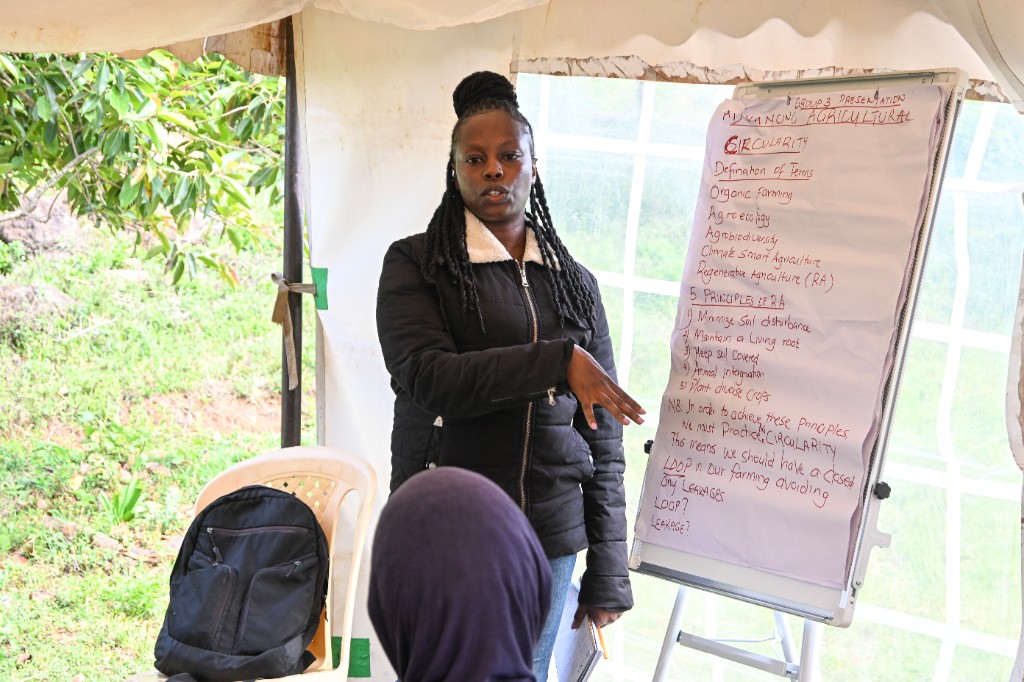
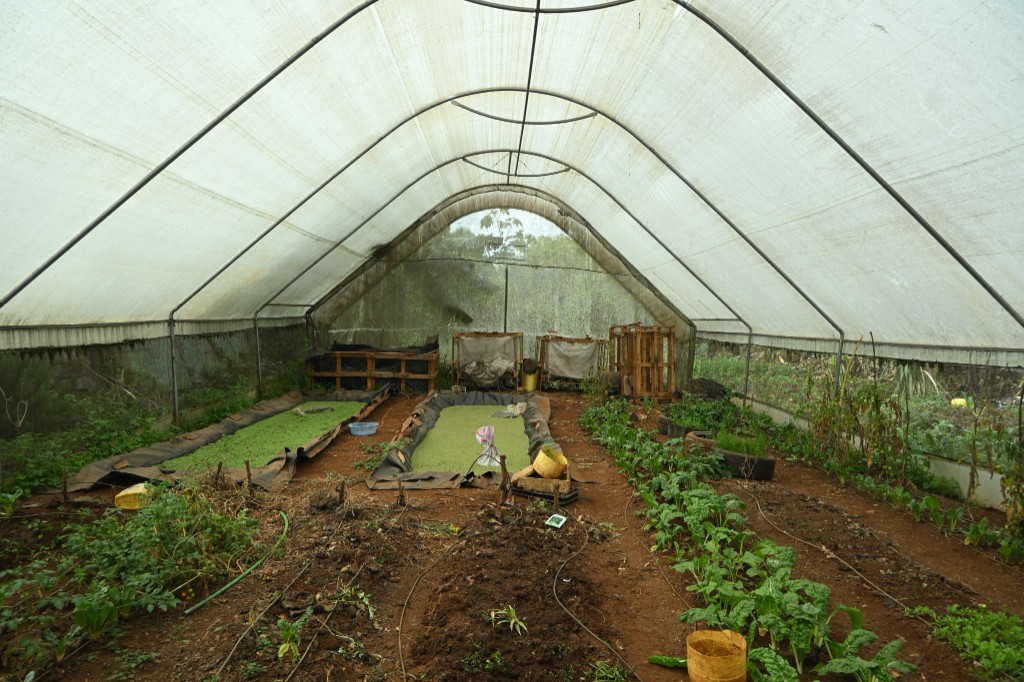
Extension officers encounter practical, farm-tested regenerative methods at Sylvia's Basket Farm — then carry that knowledge into communities.
Closing the loop, together.
A multi-stakeholder programme shifting Kenya's agri-food system toward regenerative and circular models — convening ecosystem actors, strengthening extension pathways, and testing market demand with real farmers and consumers.
150
Farmers trained
3
Kiambu sub-counties
38
Working Group members
75
Organisations mapped
The programme arc
Knowledge tested at the farm, carried by trusted intermediaries, adapted by farmers, reinforced through ecosystem exchange, and made visible in the market.
LearnExtension officers encounter practical, farm-tested regenerative methods at Sylvia's Basket Farm — then carry that knowledge into communities.
 Apply
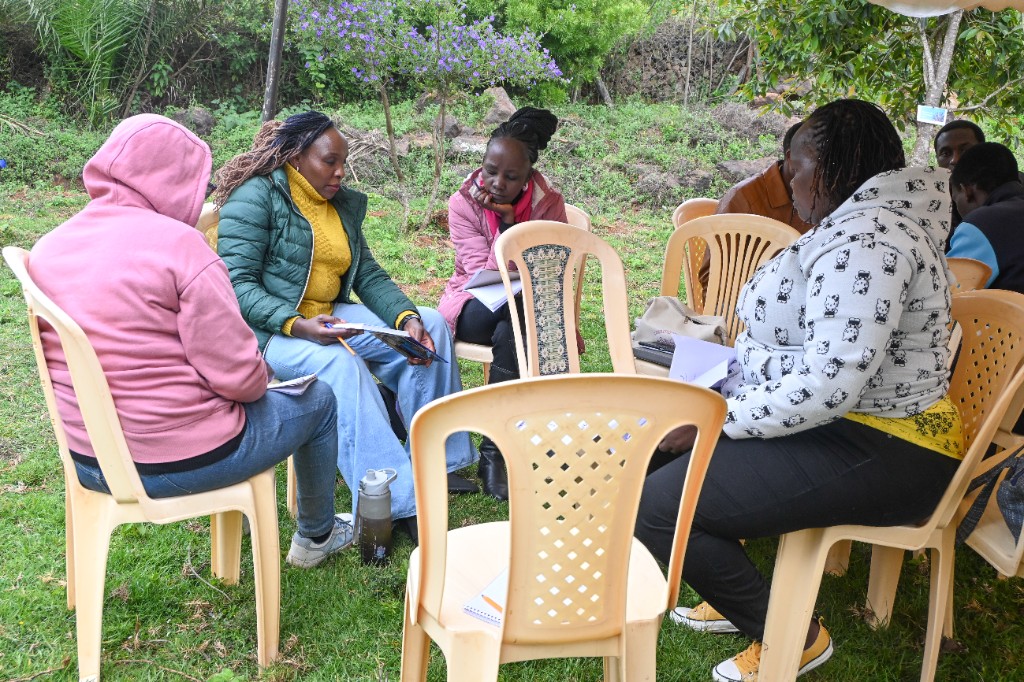
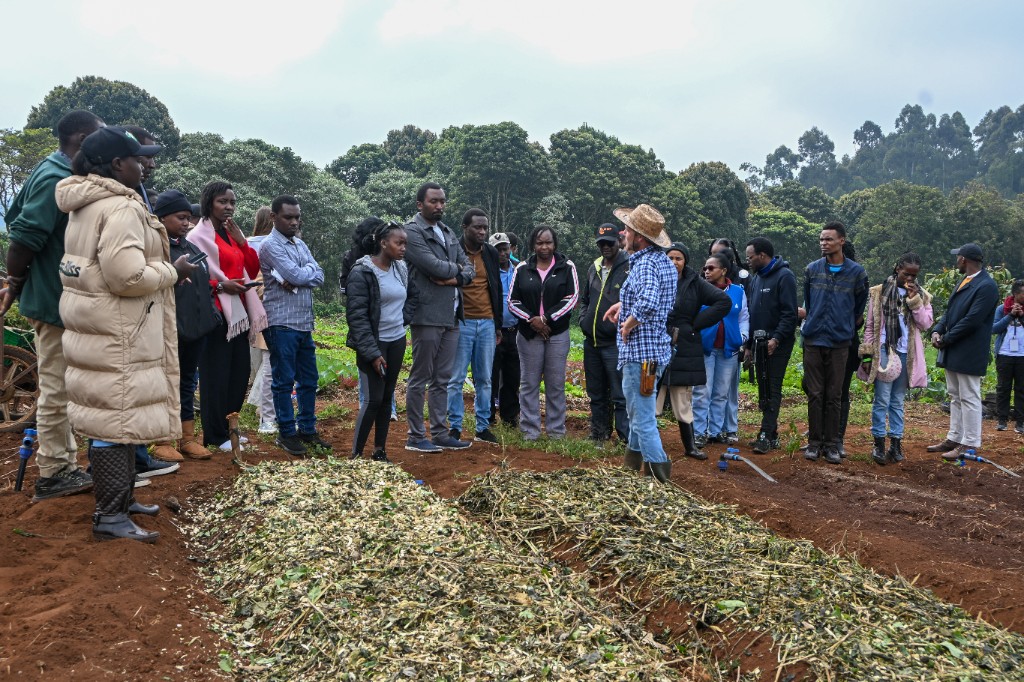
Apply150 farmers across Kikuyu, Kabete and Limuru adapt regenerative practices — mulching, composting, farm-waste reuse and more.
 Connect
Working Group members, producers and partners compare evidence, build confidence and co-design the next phase together.
ScaleRegenerative products meet consumers at HereAfrica — testing trust, traceability and demand in a collective, consumer-facing environment.
Year One at a glance
150 farmers trained across Kikuyu, Kabete and Limuru. The figures below are from 144 endline survey records — high participation, strong learning, and widespread intention to apply.
99.3%
Attended all or part of training
99.3%
Rated useful or very useful
99.3%
Willing to apply new techniques
100%
Would recommend the training
91.0%
Recorded a specific action plan
92.1%
Satisfied or very satisfied
Learning scores
AAC created a coordinated process that converted ecosystem diagnosis into two implemented tests and generated early evidence of farmer learning, adoption readiness and consumer-market interest.
How change happens
Circular agriculture in Kenya is constrained not only by technical knowledge — but by evidence, extension capacity, trust, coordination, markets and finance.
Limited locally validated agronomic and economic proof.
Insufficient practical exposure, tools and incentives for extension actors.
Limited confidence in advice, product claims and verification.
Fragmented organisations and producers unable to build shared infrastructure.
Weak visibility, availability, storytelling and demand-conversion mechanisms.
Limited products suited to transition timelines and early-stage risk.
Two proof-of-concept pilots
Capacity building through the extension system for 150 farmers — connected to consumer demand testing through market activation.
 Pilot A
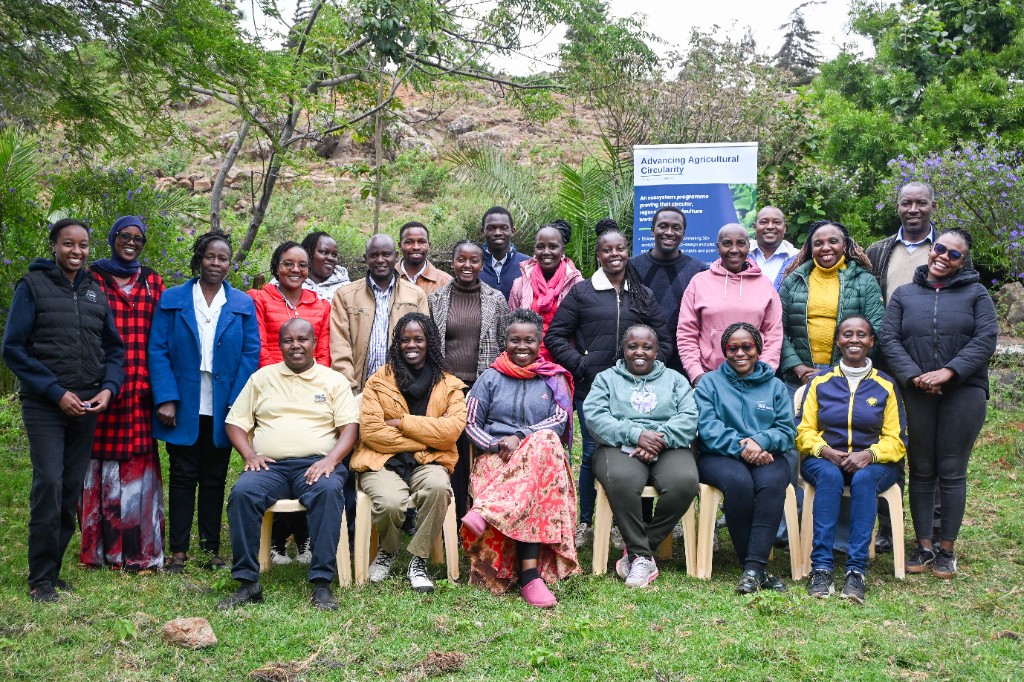
Pilot A tested whether practical, farm-based learning — delivered through Kenya's existing public extension system — could build farmer capacity in regenerative and circular agriculture at pace. The training cohort was 150 farmers in Kiambu County.
The Live-in Lab sat at Sylvia's Basket / Kilimo Endelevu Farm in Ndeiya. Five extension workers from Limuru, Kabete and Kikuyu took part, with support from the Kiambu County Director of Agriculture. Officers then carried a shared curriculum into farmer training across those three sub-counties. Baseline and endline surveys captured learning among 145 and 144 records respectively; 99.3% of surveyed farmers attended all or part of the training.
From the Live-in Lab
Training and co-creation at Sylvia's Basket / Kilimo Endelevu Farm in Ndeiya — workshops, the regenerative curriculum, and the seed bank that keeps farm loops in motion.
Closing the Loop at Forest Food
A field day at Forest Foods — mulching, plant health, and planting together — so extension officers, partners and visitors could see regenerative practice on a working farm.
Pilot A curriculum
Based on the AAC Pilot A training curriculum at Sylvia's Basket Farm, Ndeiya, Kiambu. Written for farmers and walked through by extension officers.
Chapter 1
Circular farming brings waste, cost and risk back into use on the farm. Regenerative farming leaves land healthier each year. Together they mean less waste, a stronger farm, more income, and more nutritious food.
Chapter 2
A practical spine for the field — not a rigid package.
Chapter 3
Soil is alive. Farmers learn four field questions — can water get in, can air get in, can roots grow deep, and are living things present — and the practice of feeding the soil, not just the plant.
Chapter 4
What already exists on the farm can cycle back into production.
Chapter 5
Lower input costs, less water work, less risk, stronger land over time, safer food, and trust with buyers. Farmers do not need to change everything at once: start with soil, one compost heap, cover bare ground, save seed, and fix one water loss.
Evidence from the field
Results from the 150-farmer Pilot A cohort in Kiambu. Understanding was strongest on production topics; market access and post-harvest remain areas for Year Two. Baseline challenges use 145 survey records.
Finance, extension follow-up, and market linkages remain binding constraints — shaping the Year Two follow-up package.
Year One journey
27 Nov 2025
World Café identified circularity as a systems problem and mapped barriers, enablers and actors.
Jan 2026
Capacity/research-to-practice and market access were selected as priority pathways.
Feb–Mar 2026
Workstreams framed problems, generated concepts and assessed delivery options and risks.
1–10 Apr 2026
Hybrid models, users, geography, partners, activities and governance were advanced.
17 Apr 2026
Pilot A and Pilot B were approved for proof-of-concept implementation.
Jun–Jul 2026
150 farmers trained across Kikuyu, Kabete and Limuru; consumer activation generated the first outcome datasets.
Most meaningful changes
A 38-member Working Group moved from individual perspectives to collective problem-solving — diagnosing, prioritising, designing and implementing two pilots together.
38-member Working Group · 2 workstreams · 2 pilot interventions implemented
Pilot A combined county-linked extension participation with practical learning and an onward cohort of 150 farmers across Kikuyu, Kabete and Limuru.
150 farmers trained · 145 baseline and 144 endline records · 99.3% attendance
141 of 142 valid respondents were willing to apply a new technique; 131 of 144 recorded a specific farm change — evidence of adoption readiness.
91.0% with a specific action plan · 92.9% intending to start within one month
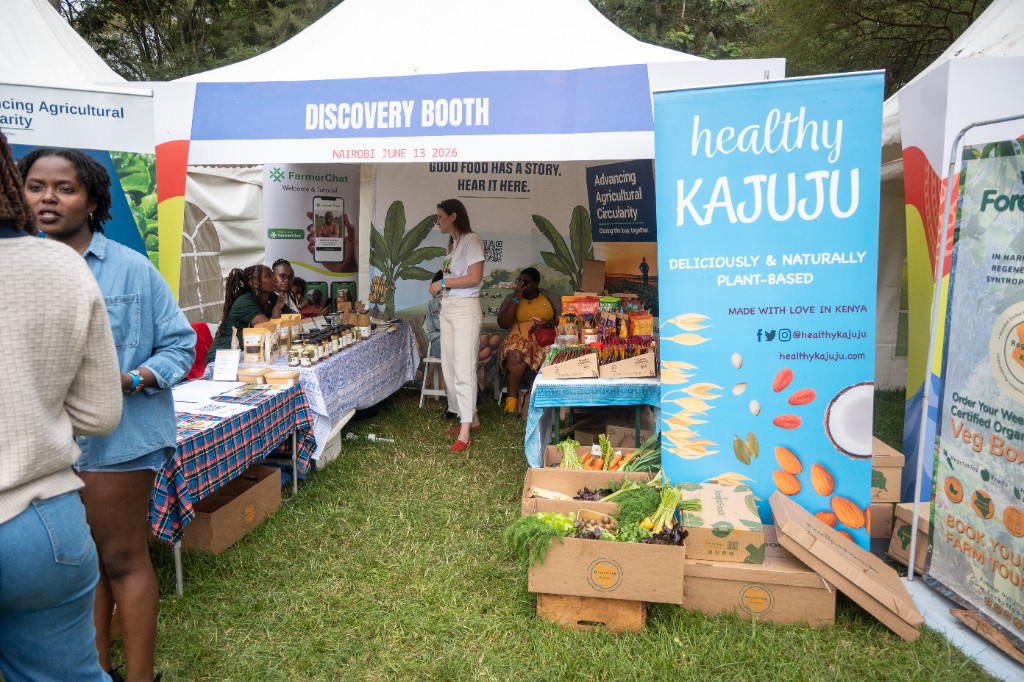
Pilot B reframed limited regenerative-product demand as requiring collective visibility, credible trust signals and coordinated storytelling.
Collective producer activation · consumer feedback · emerging trust identity
Voices from the ecosystem
“It's a simple shift with a big impact — beginning with minimal soil disturbance and building from there.”
“The hardest part isn't the soil — it's the capital. Regenerative systems need financial instruments that recognise the time required for soil, tree and market systems to mature.”
“Good food has a story. Hear it here — the solutions already exist. The task ahead is building the partnerships that allow them to flourish.”
Stories from the field
Click any photo to explore — from the Live-in Lab and field training to the HereAfrica Discovery Booth.
Watch & listen
Hear from farmers, extension officers, entrepreneurs and ecosystem partners.
AAC programme story
Regenerative agriculture in practice
Closing the loop together
The people
A multi-stakeholder group of practitioners, enterprises, researchers, county extension, and ecosystem partners — convened by Impact Hub Nairobi — who diagnosed the system, co-designed two pilots, and are shaping Year Two.
Conveners
The IHN team that convenes the working group and holds the programme together.
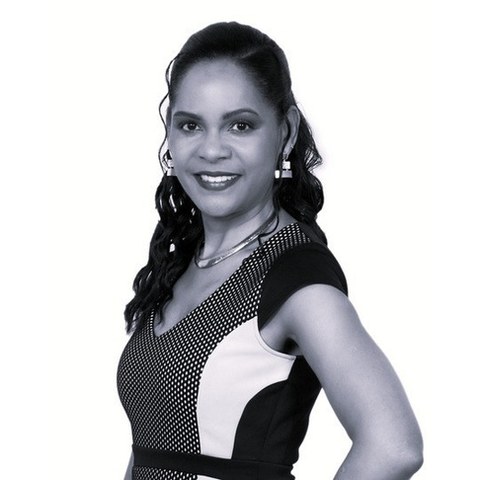
Partnerships Lead
Impact Hub Nairobi
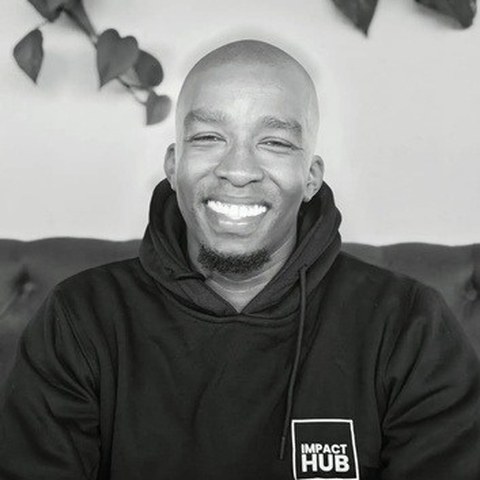
Co-Founder, Programs and Operations
Impact Hub Nairobi
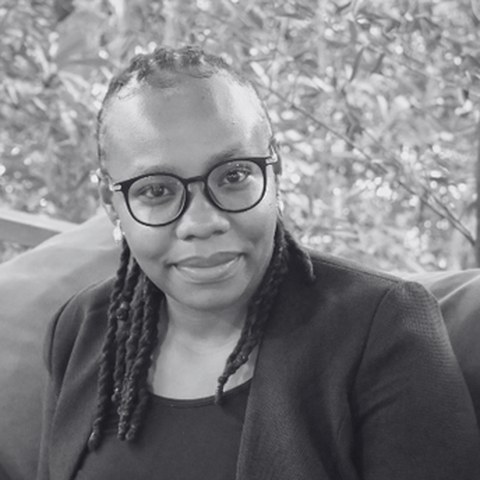
Program Officer
Impact Hub Nairobi

Junior Research & Programs Officer
Impact Hub Nairobi

Community & Events Lead
Impact Hub Nairobi

Senior Program Officer
Impact Hub Nairobi
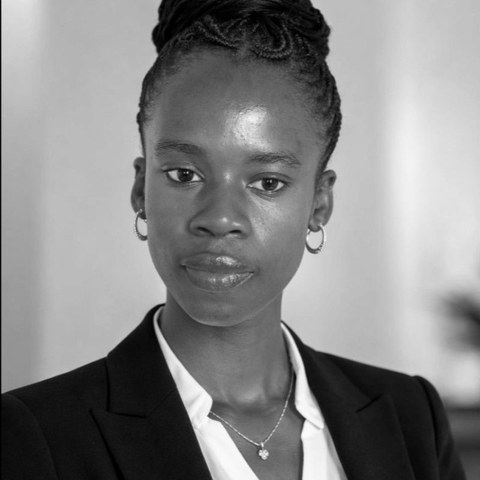
Ecosystem Project Office
Impact Hub Nairobi

Program Management Associate
Impact Hub Nairobi
34 members
Practitioners, enterprises, researchers, and ecosystem partners co-designing circular agriculture in Kenya. Organisation profiles and links will be added next.
Managing Partner
JBQ Africa
More than 35 years in large- and small-scale farming, food processing, trading systems, and soft-commodity logistics across Africa. Former Regional Managing Director of BUNGE covering East Africa, and a Farm Africa Programme Advisory Committee member in the UK.
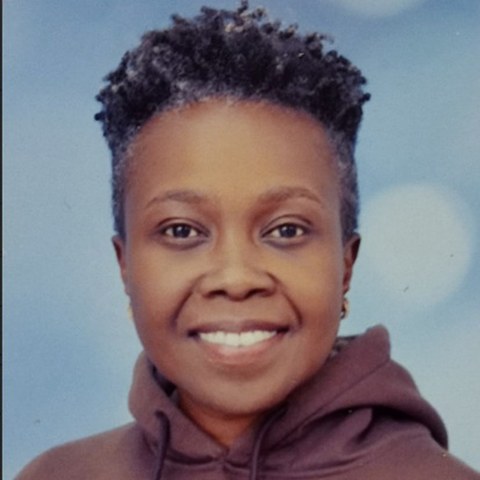
Founder & Director
Sylvia's Basket
Smallholder organic farmer and entrepreneur who grew a 0.5-acre family farm into a 15-acre mixed organic operation. Through Sylvia's Basket she aggregates organic produce for bulk buyers and trains fellow farmers in agroecology and market access.
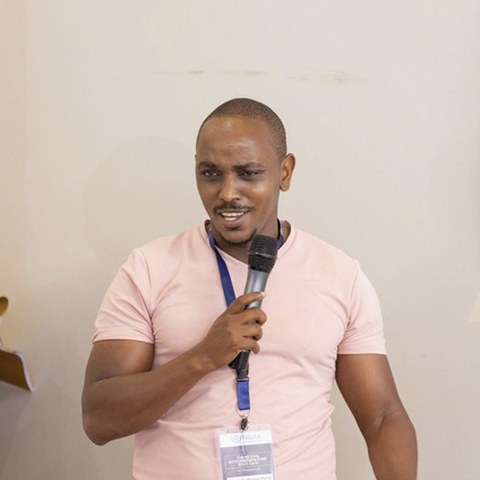
Founder & CEO
Nutrimzuri Farmcare
Leads a circular-economy animal-feed enterprise using insects and single-cell proteins. Brings 8+ years in the animal-feeds industry and 5+ years running commercial-scale insect farms in East Africa.
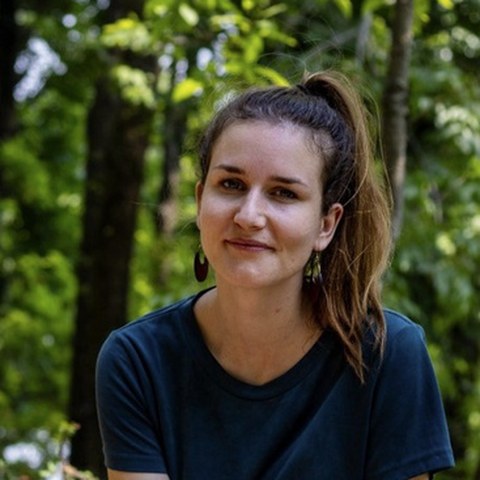
Co-Founder
Green Intelligence Kenya
Regenerative agriculture and agroforestry specialist with six years' experience in landscape restoration and smallholder enterprise development. In 2025 Green Intelligence Kenya planted over 20,000 agroforestry trees with 200 farmers in Subukia and Tharaka Nithi.
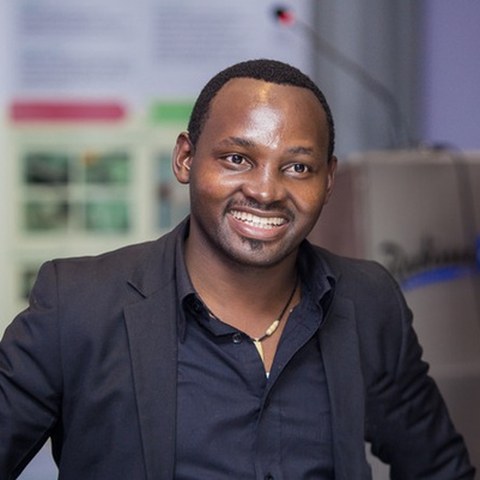
Executive Director
IBMA Kenya
Plant health and crop protection expert with over 16 years in nature-based solutions, project management, and regulatory affairs. Holds a Ph.D. in Plant Pathology and has worked across public and private organisations.
Founder & CEO
Griincom Innovate
Leads a Nakuru social enterprise recycling 30–40 tons of organic waste a month into organic fertiliser, foliar feeds, and pest repellent. Founding board member of OFIMAK, the Organic Farm Inputs Manufacturers Association of Kenya.
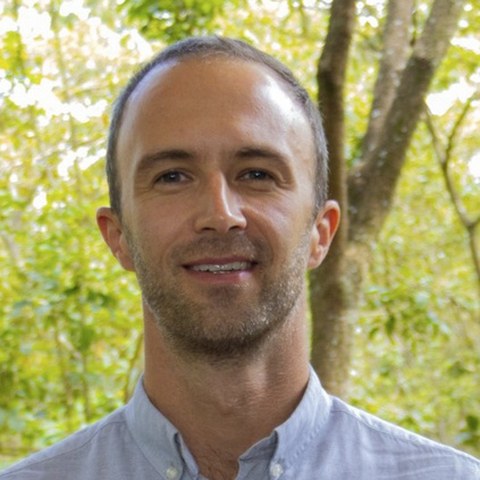
Manager, Nature & Food
Systemiq
Over a decade designing regenerative land-use and nature-positive investment initiatives across Africa, including large-scale agroforestry and landscape restoration in coffee and cocoa value chains.
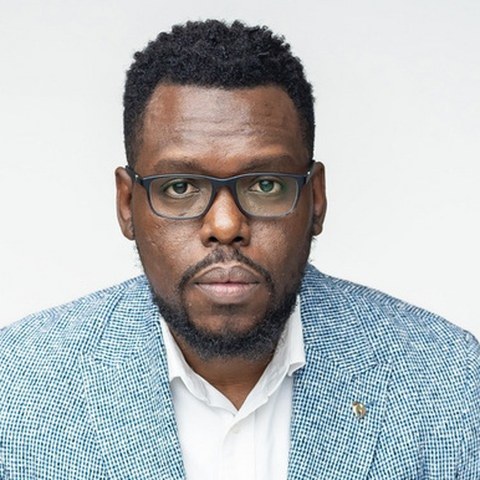
Senior Program Manager
Bop Inc.
Strategic development leader across circular economy, climate action, and WASH. Has contributed to Kenya's Climate Change Act, Sustainable Waste Management Act, and Extended Producer Responsibility Regulations.
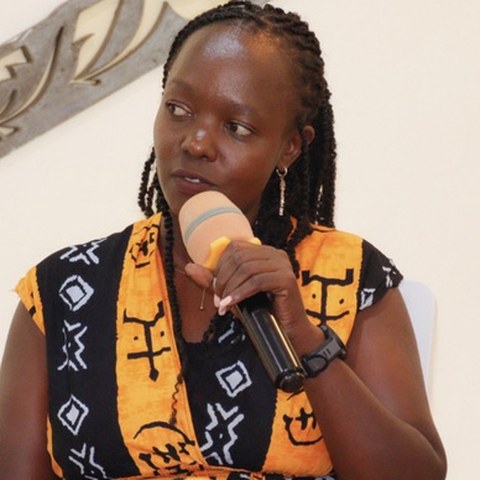
CEO and Co-Founder
Chemichemi Organics
Builds a circular-economy enterprise focused on soil regeneration through organic fertilisers, supporting smallholders to shift from chemical dependency to regenerative practices.
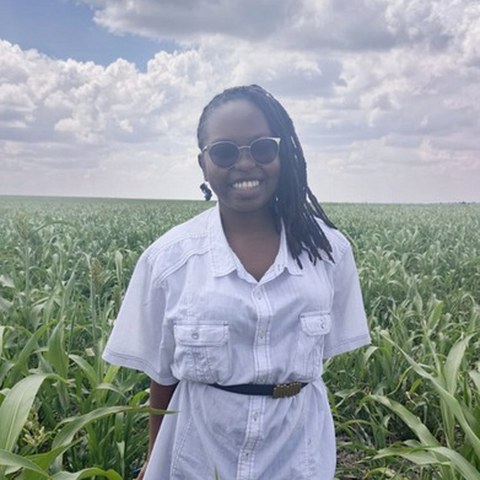
Ecosystem Development Director
DMTR Food
Works on food-systems transformation for zero hunger, applying systems thinking to policy review, toolkit development, and partnerships for climate-smart, smallholder-inclusive interventions.

Manager, Africa Strategy & Partnerships
Global Green Growth Institute
Head of GGGI's Kenya office, leading country programmes, partnerships, and alignment with national green-growth agendas. Expertise in climate policy and institutional partnerships across Africa.

CEO and Co-Founder
Agriflex
Leads a Kenyan agritech company advancing regenerative agriculture for smallholders and agrodealers. Integrates drones, digital tools, and mentorship to cut input costs and support climate-smart farming.

Founder & CEO
Healthy Kajuju
Built Healthy Kajuju into a recognised Kenyan natural-foods brand of cereals, snacks, and related products, championing local manufacturing and making nutritious food more accessible.
Head of Corporate Affairs
Kenya Climate Innovation Center
Results-driven executive with over 20 years leading strategy, reputation, and cross-functional teams. Holds an MBA in Strategic Management and currently heads Corporate Affairs at KCIC.
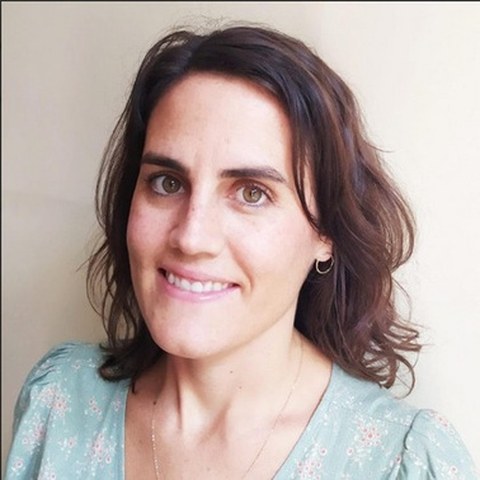
Agri-Food Consultant
Independent
Agriculture, sustainability, and innovation professional with over 15 years in African markets, spanning smallholder and regenerative agriculture, clean energy, digital finance, and carbon.
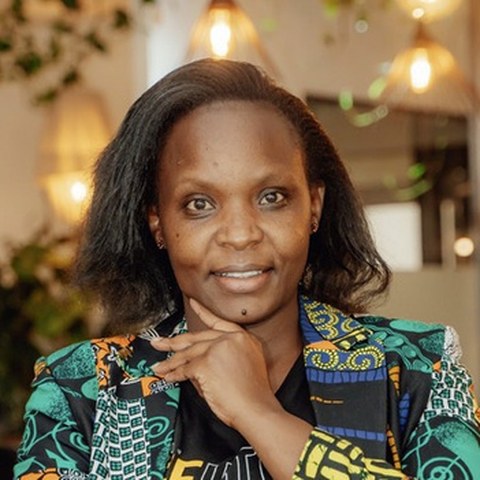
Regional Environment and Climate Change Advisor
Vi Agroforestry
Provides technical expertise in climate resilience, sustainable land management, agroforestry, biodiversity, and livelihood enhancement for smallholder farmers. Researcher, consultant, and urban farmer.

Youth Researcher
International Center for Research on Women
Research and development professional with a BSc in Agricultural Economics. Supports data-driven work across agriculture, gender, and health, translating findings into programme and policy insights.
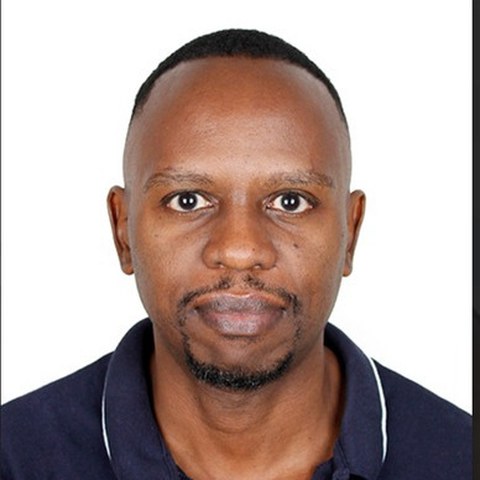
Advocate & Conservation Lead
Inspire Nature Consultancy
Human-rights defender and conservation advocate with over 21 years across legal, governance, and NGO sectors. Advocate of the High Court of Kenya, focused on rights, civic education, and youth-centred conservation.
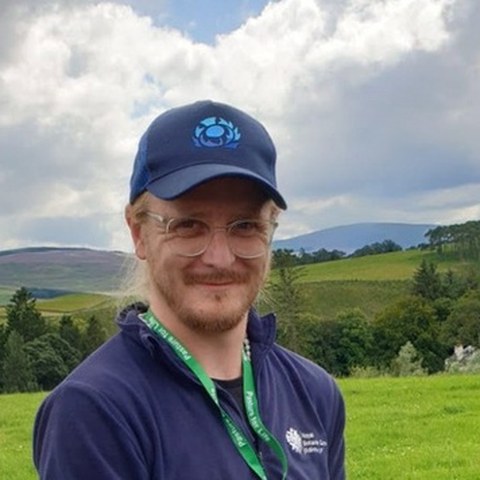
Regenerative Agriculture & Soil Health Consultant
Independent
Soil biologist with 10 years on climate-resilient farming systems. Qualified Soil Food Web practitioner and permaculture designer, scaling composting systems and training farmers, NGOs, and policymakers.
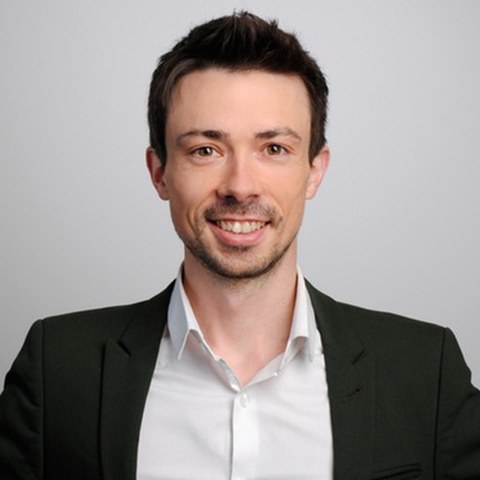
Head of Development
Democratic Society
Fundraiser and political scientist with a decade in international cooperation and democratic innovation. Co-leads fundraising and partnership strategy at Democratic Society; has worked with the Council of Europe, UN Women, and the ILO.
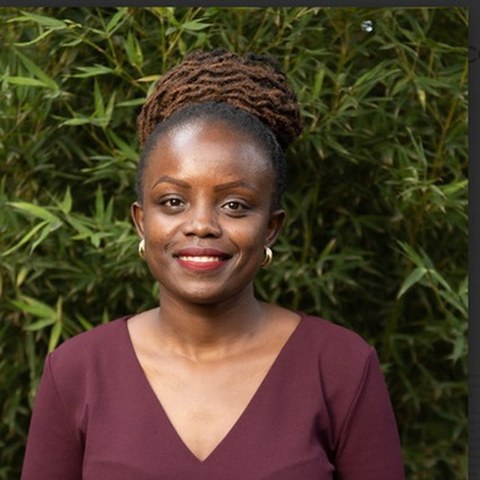
Head of Programs and Strategic Partnerships
Circle Innovation
Youth development and social-innovation expert with over 10 years at the intersection of human-centred design and impact. Leads initiatives such as the Circularity Launchpad and has contributed to YALI and USAID Empowered Youth.

Extension Officer
County Government of Kiambu
Agricultural officer advancing regenerative farming through farm management, agronomy, and research. Has worked with icipe on pest management and managed operations at Grace Farm Orchards and Magana Farm.
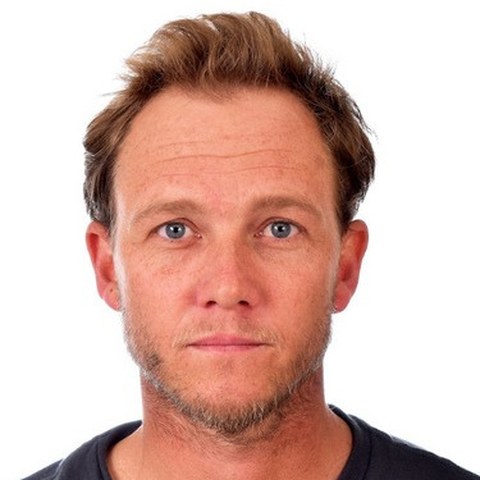
CEO & Co-Founder
Forest Foods
Regenerative systems entrepreneur bridging food, forestry, and enterprise. CEO of Forest Foods, Technical Director at LEAF Africa, and Managing Director of Tamalu Farm on Mount Kenya.
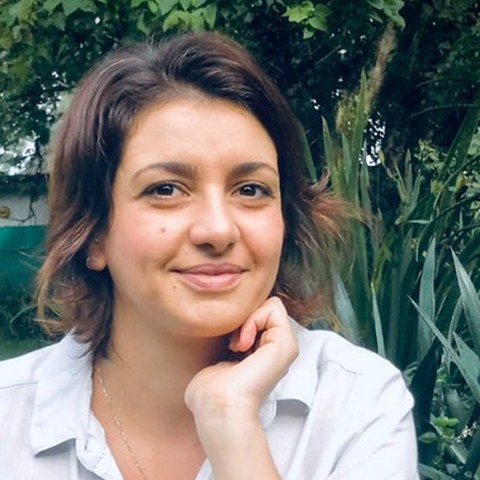
Agriculture and Food Systems Expert
Independent
Thirteen-plus years leading climate-smart agriculture and resilience programmes across East Africa. Consults for UN agencies, NGOs, and private clients on programme design, M&E, and donor relations.

BD Manager, East Africa
Agriterra
Ten years promoting private-sector development and agricultural cooperatives in Africa. Currently raising funds for a regenerative avocado and coffee farm, and moving into climate-solutions project management at Export Trading Group.

Agroecology Advisor
ShambaniPro Agri-Innovations
Agricultural development professional with 8+ years in regenerative agriculture and smallholder empowerment. Also a research consultant with TechnoServe; holds an MSc in Agricultural and Applied Economics from the University of Nairobi.
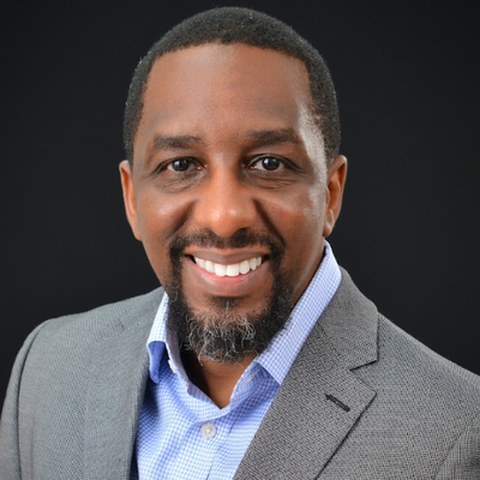
Country Director
Digital Green
Two decades in humanitarian and development work. Leads Digital Green Kenya's FarmerChat AI advisory, reaching over 200,000 farmers, after 21 years running multi-sector resilience programmes across Africa.

Managing Director
Key-Cert Services Limited
Certification and agribusiness-compliance leader with 14+ years across Sub-Saharan Africa. Former Managing Director of Control Union Kenya; now advances market access and sustainability, and pilots a circular pineapple–goat farm in Kilifi.

Programs Manager
Girls for Girls Kenya
Coordinates mentorship and leadership programmes for women, with nine years designing initiatives across East Africa. Launched the Malala Fund SisTech project in Africa and has partnered with the EU, Aga Khan Foundation, and Rutgers.
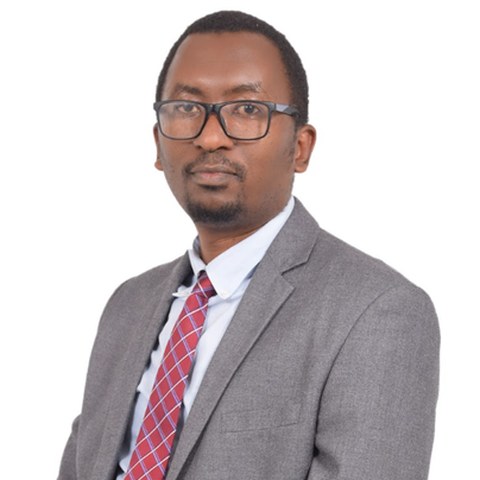
Executive Director
Institute for Food Justice and Development
Nutritionist and food-justice advocate. Founded Tofali Nutrition (Power Paste) and IFJAD to confront food injustice in Kenya, focusing on agroecology, consumer protection, and the right to safe, culturally meaningful food.
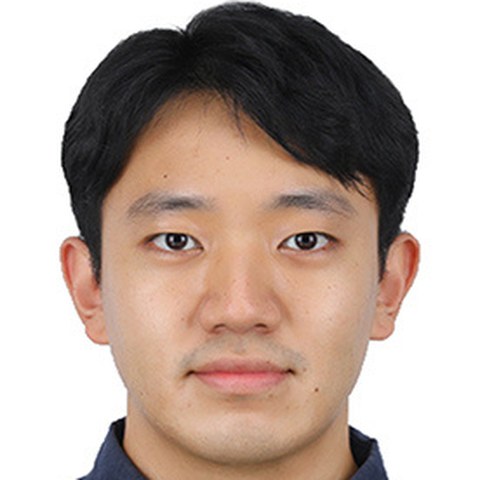
JPO, Program Development
Global Green Growth Institute
Supports resource mobilisation and programme design at GGGI Kenya, including green hydrogen and circular-economy work. Previously managed KOICA programmes in Ghana and designed ecovillage projects with the Korea Green Fund.

Chief Growth Officer
Kuza One
Sixteen-plus years across legal, financial services, and impact investment in Europe and Africa. Former Country Director of the UK–Kenya Tech Hub; UK-qualified solicitor with a law degree from Bristol and an MBA.
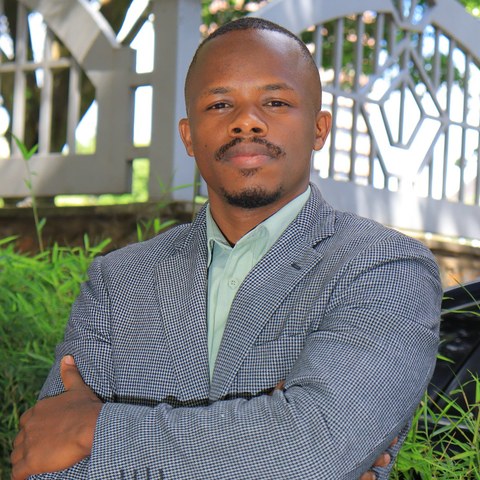
Manager, Urban–Rural Alliances (Food Systems) for Africa
C40 Cities
Supports seven African cities to strengthen urban–rural food-system governance, institutional coordination, and regenerative SME and farmer programmes under the C40 Thriving Food Systems Accelerator.
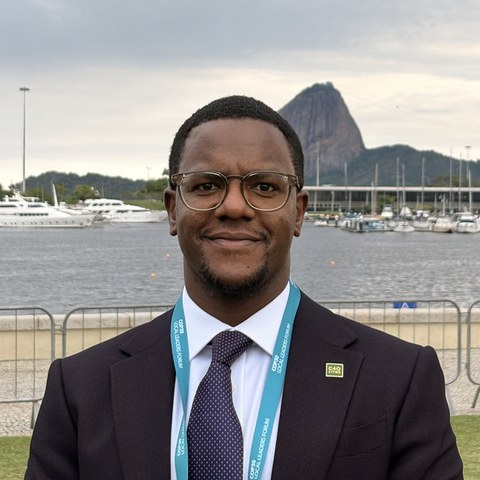
Deputy Regional Director for Africa
C40 Cities
Works with C40's Regional and Mayoral Engagement team to deepen relationships with African member cities, align with C40 Leadership Standards, and raise climate ambition across the continent.
Observers
Partners who sit with the working group to learn, connect, and strengthen the wider ecosystem.

Network Executive
Small Foundation
Grows and supports networks across Africa with a focus on systems change. Previously invested in early-stage companies at Renew Capital and led JICA's NINJA innovation programme at Growth Africa.
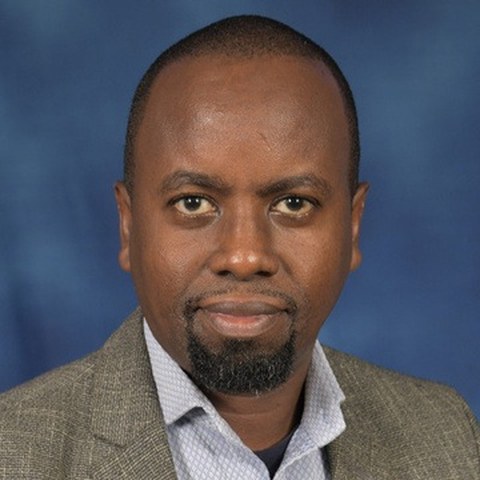
Head of Strategic Country Program Delivery
Mastercard Foundation
Market-systems, digital-economy, and MEL practitioner with over 14 years designing, implementing, and evaluating programmes with governments, development partners, and corporate foundations across sub-Saharan Africa.

Head of Corporate Affairs
Independent Consultant
Consults with the Lemelson Foundation and leads the Kenya Innovation Ecosystem Funders Forum. Previously directed invention-education partnerships at Rice360 and led ANDE's East Africa chapter.
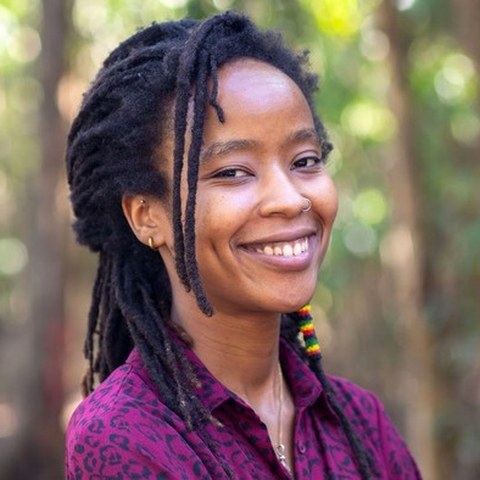
Program Officer
Segal Family Foundation
Leads grantmaking and community-building for Kenya and Uganda partners. Holds a master's in Development Studies from Nelson Mandela University, with research rooted in feminist economic theory.
AAC Partners
Agribusinesses, research institutions, and ecosystem enablers who convened, co-designed, and delivered AAC alongside Impact Hub Nairobi.















AAC is convening agribusinesses, farmers, financiers, policymakers and ecosystem enablers to co-design practical solutions for circular agriculture in Kenya.
Supported by the DOEN Foundation · Closing the loop, together.